
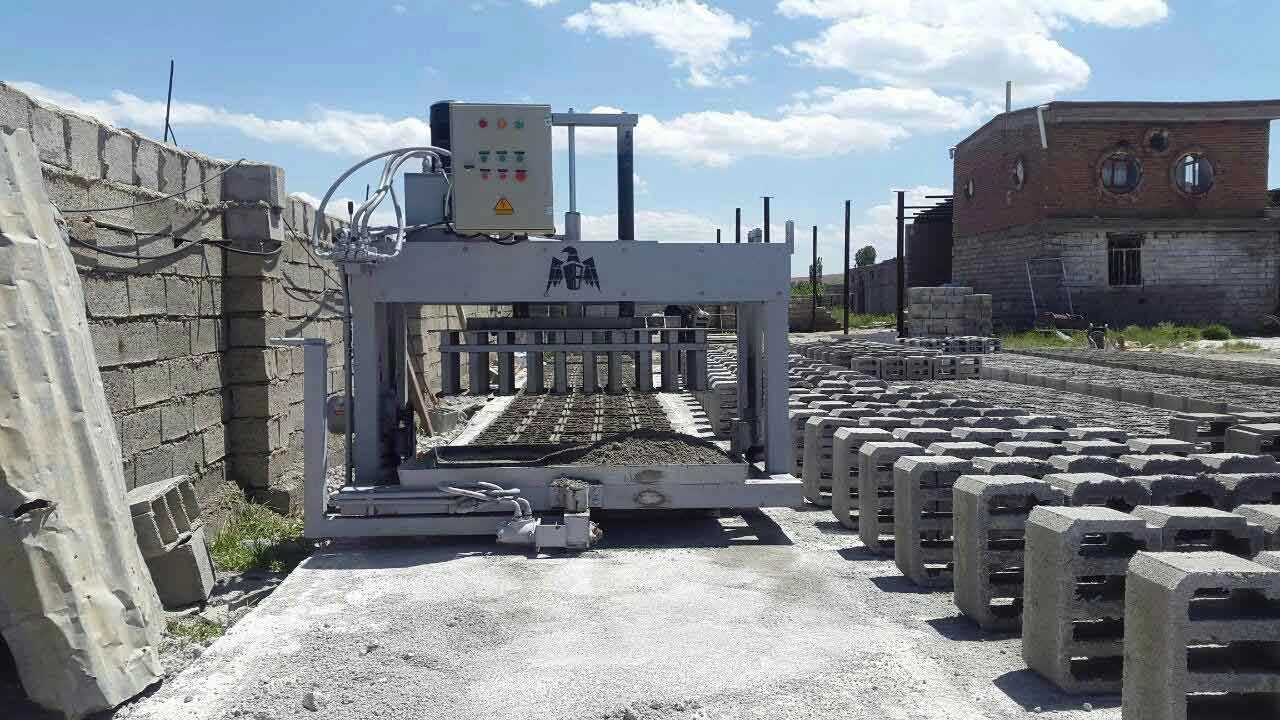
Types of Woman Block
There are different types of block machines and in fact, each of them has its own characteristics, which are fully described below. Next, we will describe the types of blocking.
Handheld female block (laying)
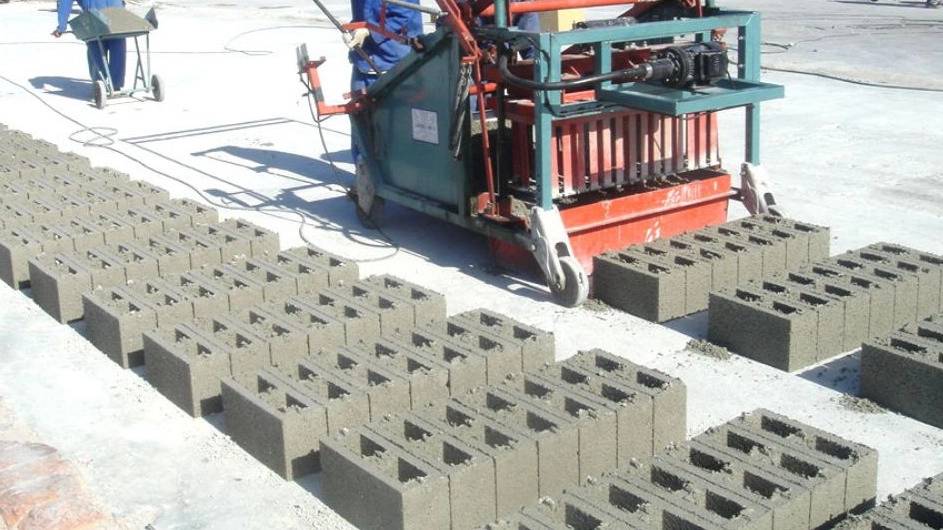
One of the simplest blocking devices is a manual type. Production speed is different according to the number of different products. These types of blocks are available in three types, including double, triple and quadruple. Needless to say, it is possible to multiply your production by using professional operators and regular block replacement. Another point you should know about this machine is that the thickness of the blocks with a simple block machine is only 2 mils.
Automatic female block
First, we must say that the automatic block maker is much more accurate and faster than manual block making. Also, the automatic block maker is used to produce wall and ceiling blocks with different dimensions. Another thing you should know about the semi-automatic blocker is its formats, which are available in four, five, and six formats. But these are not all the advantages of this device. Its most important advantages are mentioned in full below.
Guide to maintain and extend the life of the female block device
▪️Oil the machine's rail and sambe regularly.
▪️After producing about one million blocks, change the mold of the machine. Read the device.
How the blocking machine works
Preparation of raw materials for block construction: In the first step, the raw materials needed for block production, i.e. cement, sand, sand and water, are mixed together in specific proportions. This mixture is poured into a special tank and mixed completely using a mixer. b>: In the second step, the prepared mixture is transferred from the tank to the mold. Molds are usually made of metal or plastic and have different shapes and sizes. The mixture inside the mold is compressed using a piston or press. This work makes the blocks have enough strength and resistance. The compressed ones are removed from the mold. After the blocks are removed from the mold, they should be left in the open air for some time to dry. In this process, the block machine transforms the materials into building blocks by using vibration, press, and sanders.